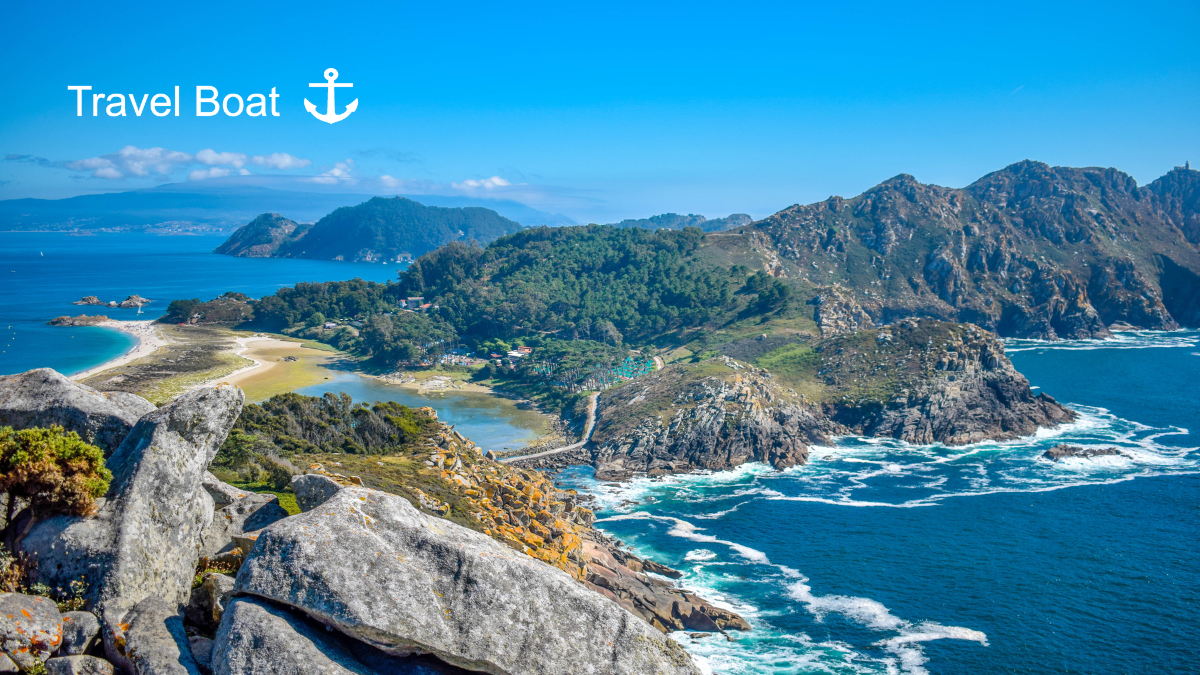
Galicia is Spain's best-kept secret for sailing – a rugged Atlantic coastline in the northwest corner of the Iberian Peninsula that most tourists haven't discovered yet. Four deep ocean inlets, crystal-clear Atlantic water and islands where visitor numbers are strictly limited. From Vigo to Finisterre – the legendary End of the World – just 55 nautical miles. This guide covers four tried-and-tested routes for every experience level.
Galicia has preserved something that many popular sailing destinations have already lost – authenticity. Here you can still find a secluded anchorage all to yourself. And at the end of it all, Finisterre: the place where Europe ends and the Atlantic begins.
Why Choose Galicia for Sailing?
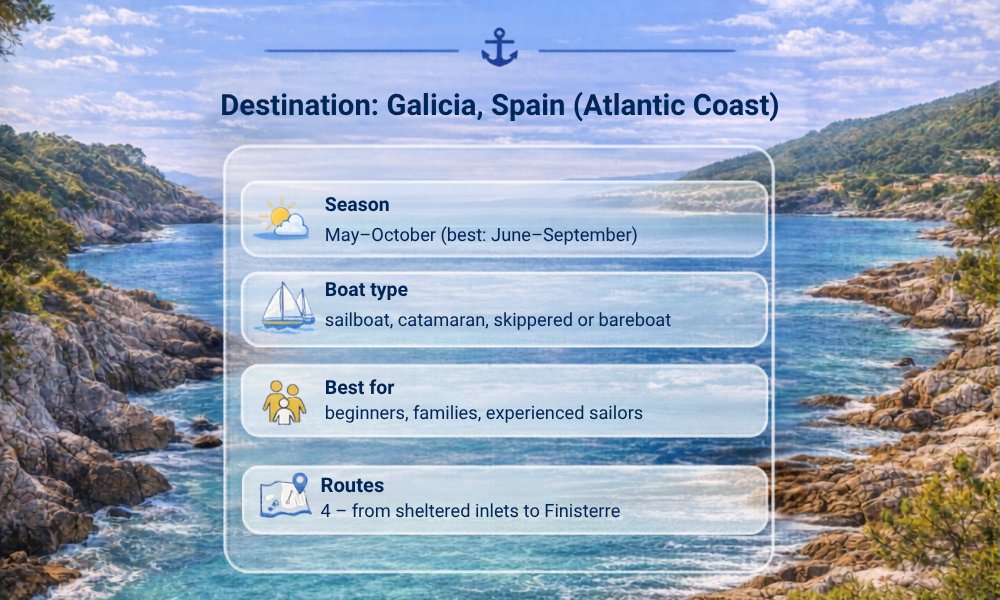
Galicia consistently surprises even experienced sailors – and for good reason. This is one of those rare European destinations where mass tourism hasn't yet changed the authentic character of the place.
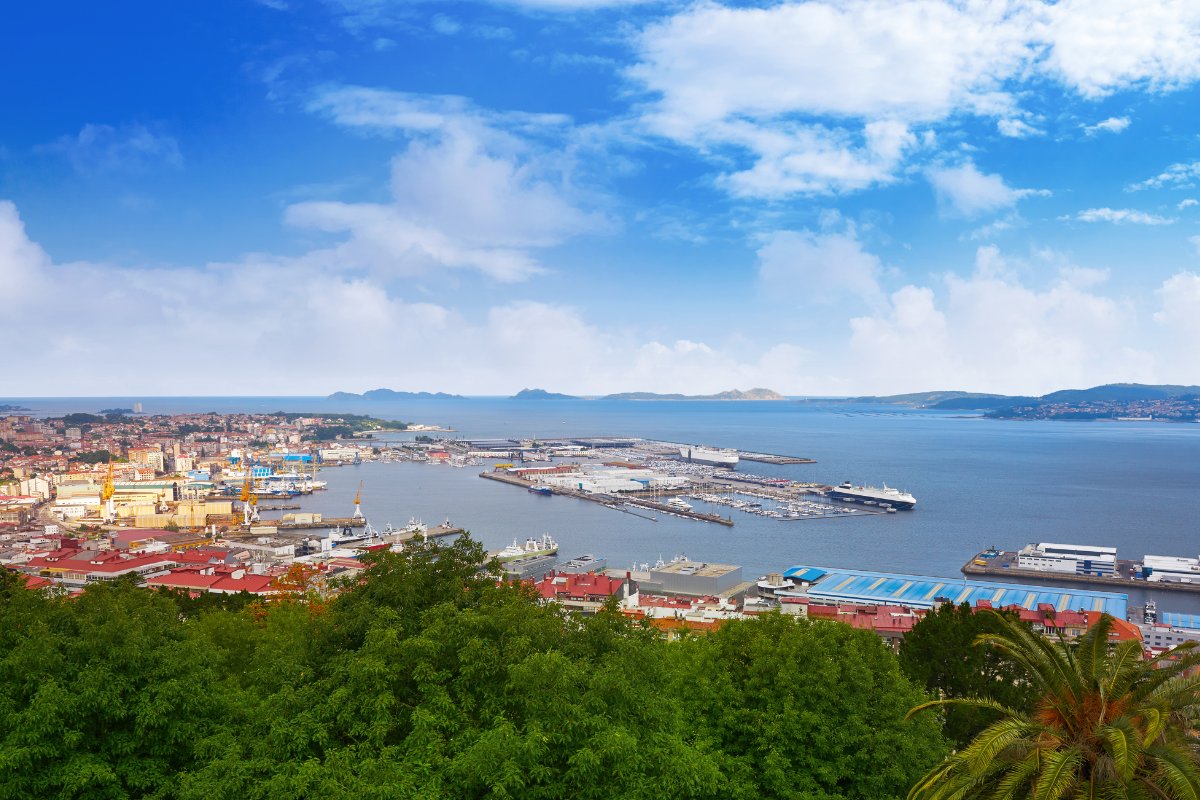
The Rías Baixas region – four deep ocean inlets in northwest Spain, right on the Portuguese border – offers naturally sheltered waters protected from the open Atlantic. This means comfortable sailing even for less experienced crews. The home port is in the heart of Vigo city centre, making it a strategically convenient base for exploring all four inlets.
Each inlet has its own distinct character. To the west of Vigo – the turquoise waters of the Cíes Islands and what many consider the most beautiful beach in Europe. Around Pontevedra – authentic fishing villages and the freshest seafood on the coast. In the Arousa inlet – islands with the clearest water in the region. And further north around Muros – the wildest, least populated landscape in all of Galicia.
Above all of this sits a 55-nautical-mile route to Finisterre, where Europe ends. A coastline that has guided sailors, pilgrims and explorers for centuries.
What makes Galicia different from Croatia or Greece?
Croatia offers short hops between islands with reliable infrastructure – perfect for a first sailing holiday. Greece gives you open horizons and iconic Aegean scenery. Galicia offers something different: Atlantic wilderness, genuine fishing culture and a sense of discovery that's increasingly hard to find in Mediterranean sailing.
When Is the Best Time to Sail in Galicia?
Galicia's sailing season runs from May to October – one of the longest in Europe. But each period offers a different experience.
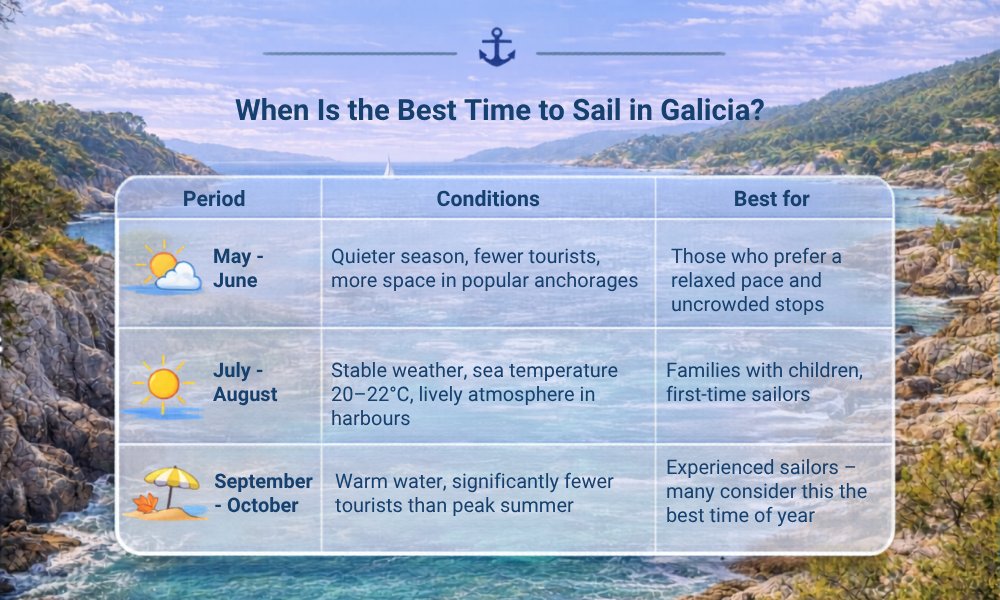
One important thing to keep in mind: Galicia is an Atlantic coastline, not the Mediterranean. Weather can change faster than you might expect. Always check forecasts before setting off and keep your itinerary flexible – this is part of what makes sailing here feel like a real adventure.
4 Sailing Routes in Galicia
Every inlet in Galicia has its own world. Here are four routes matched to different experience levels and travel styles.pą.
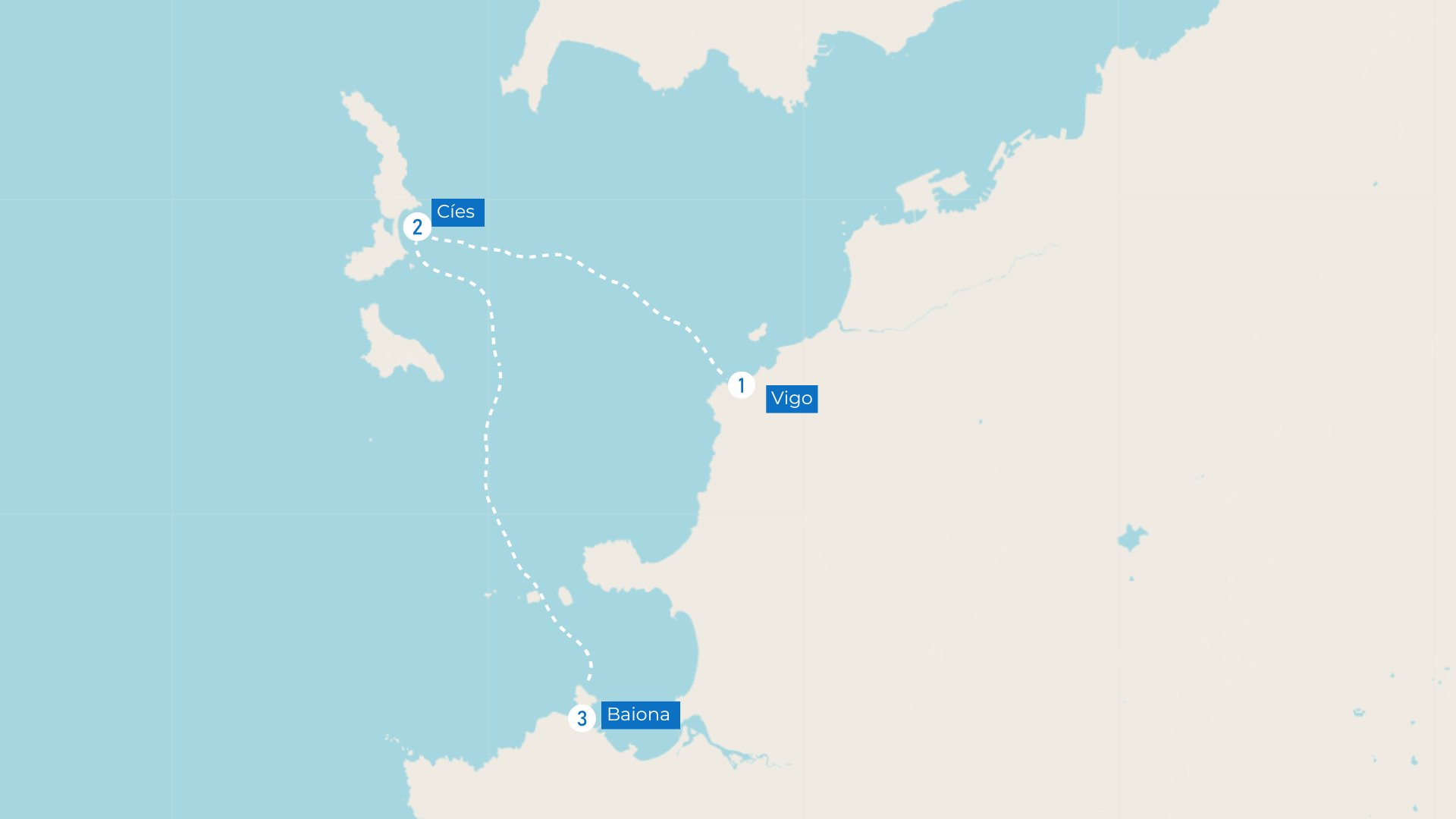
Route 1 · Vigo – Cíes Islands – Baiona
Best choice for a first sailing trip
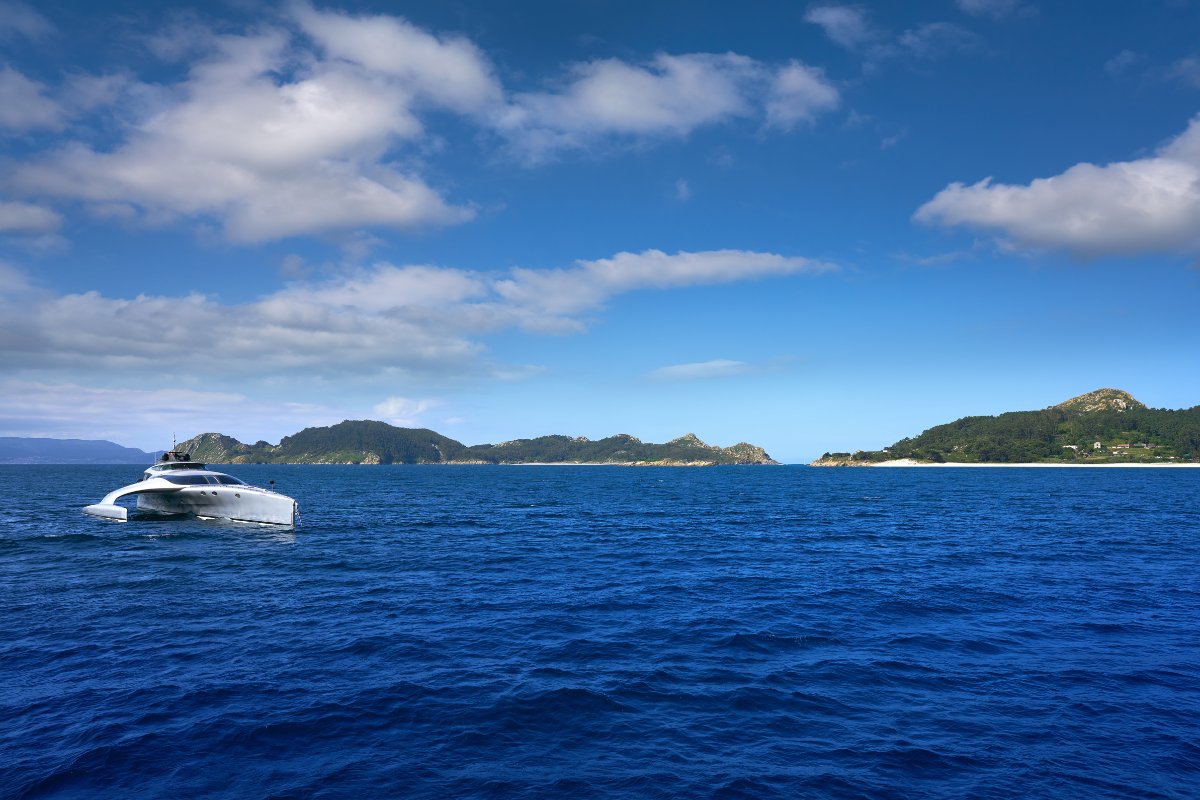
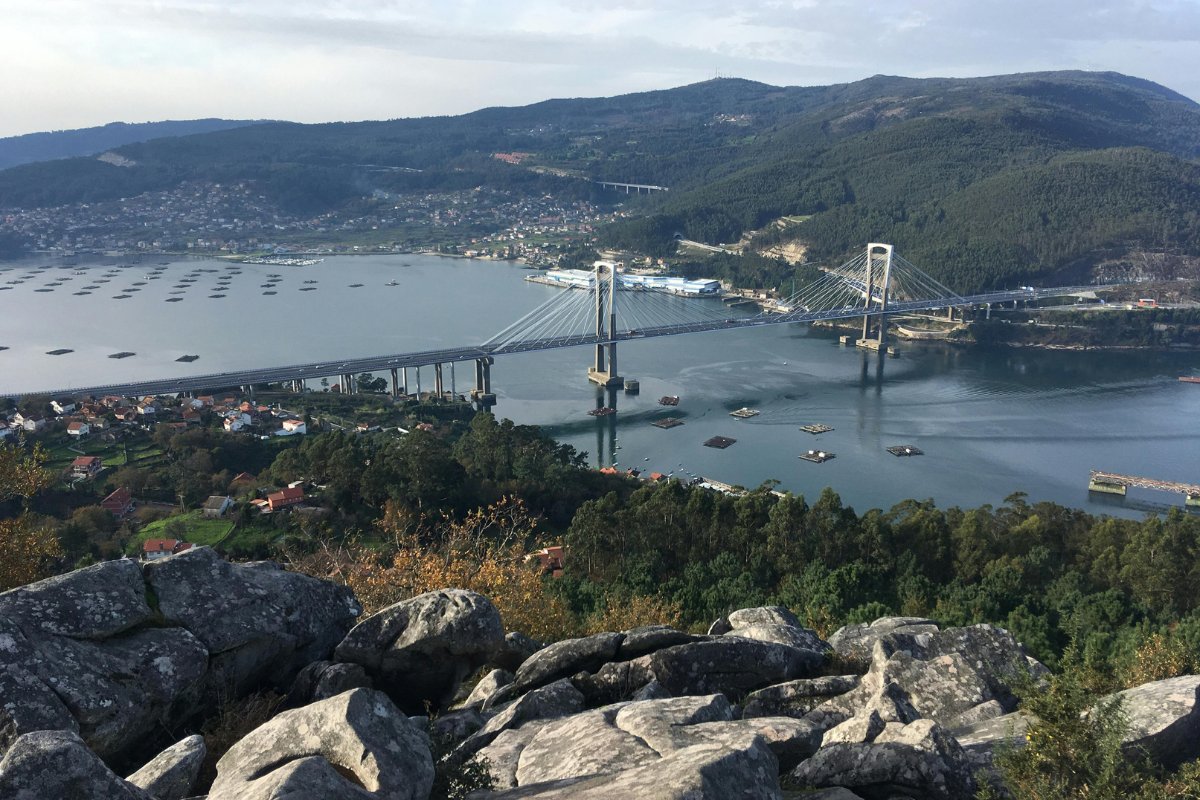
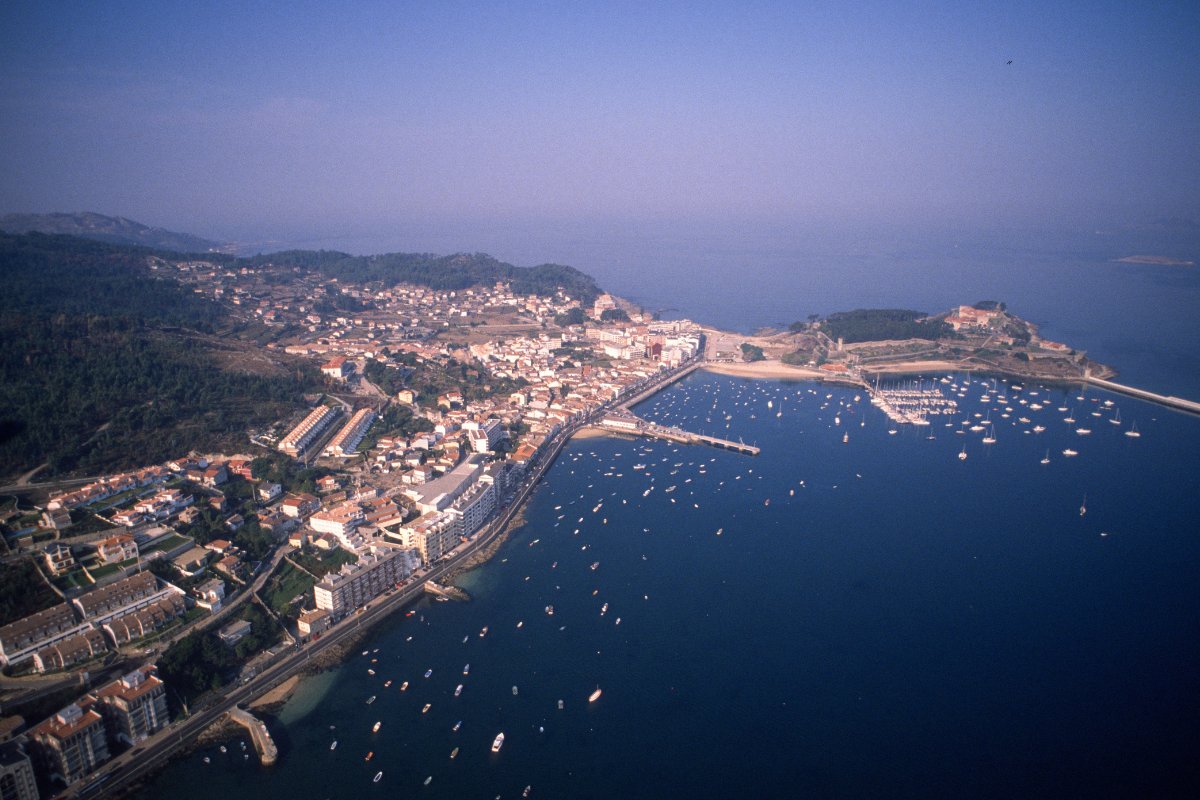
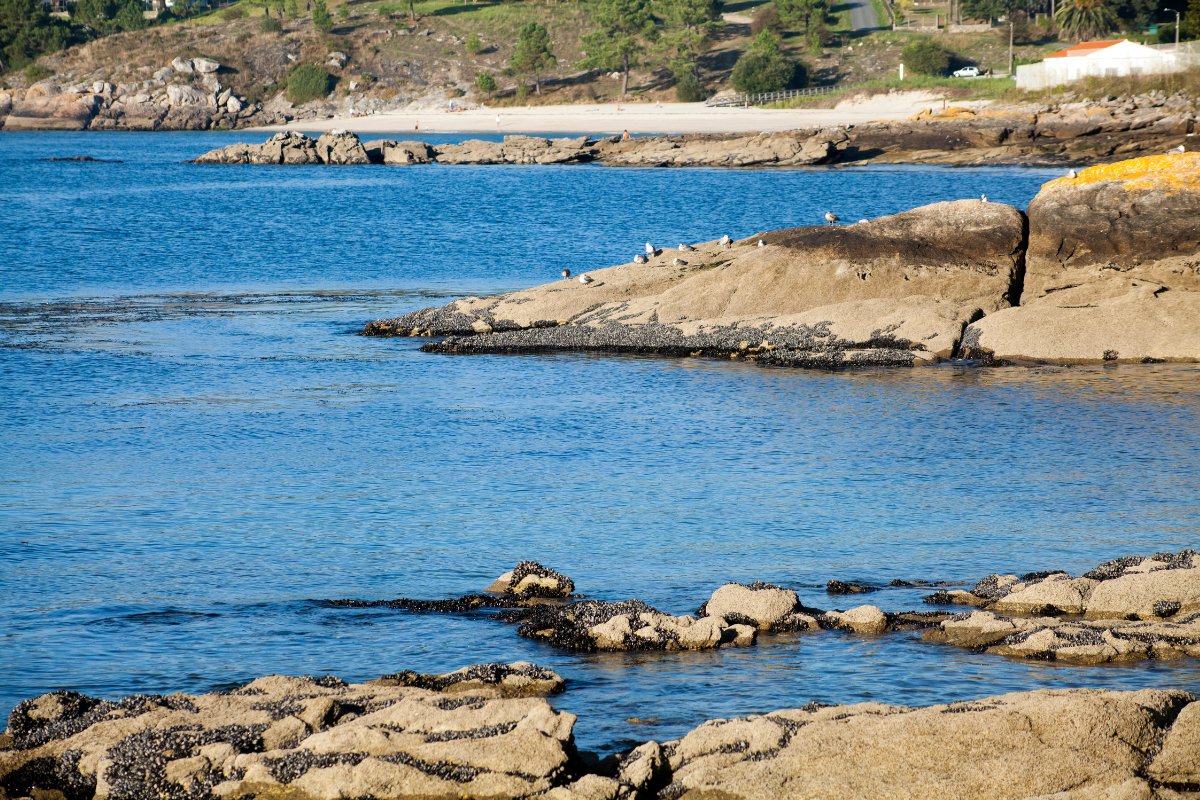
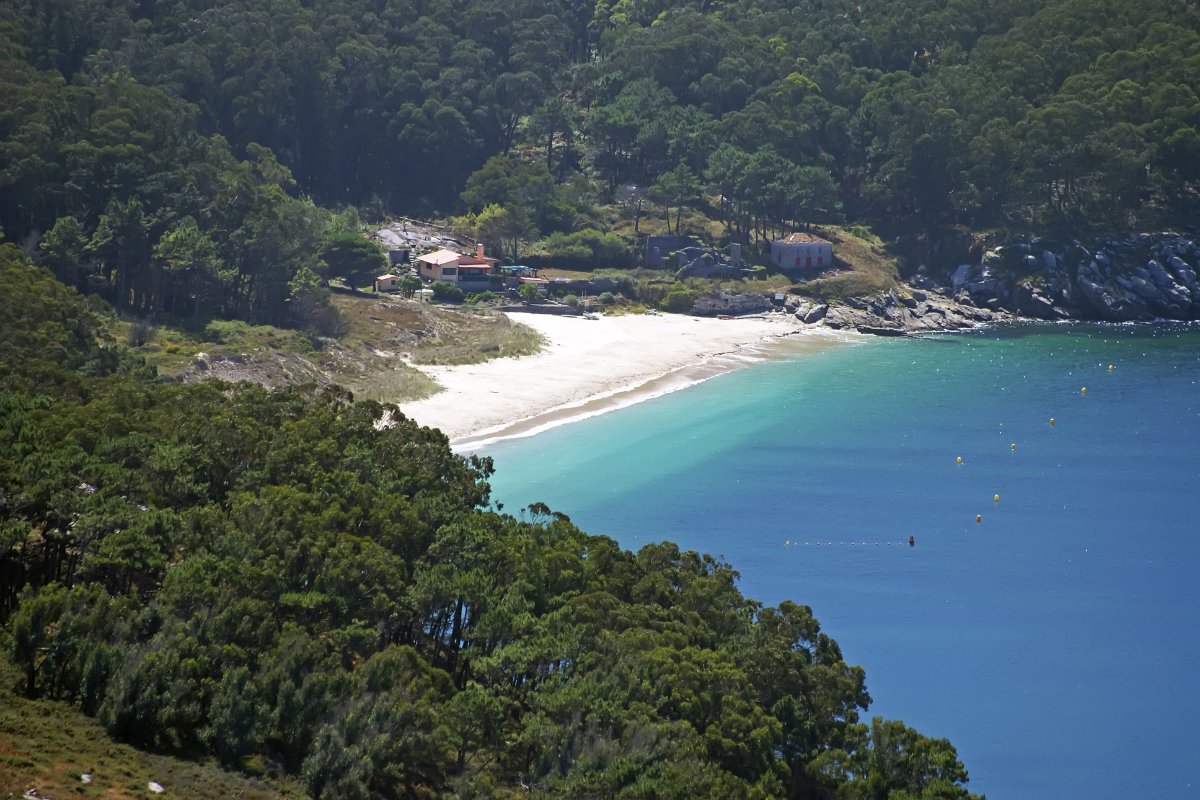
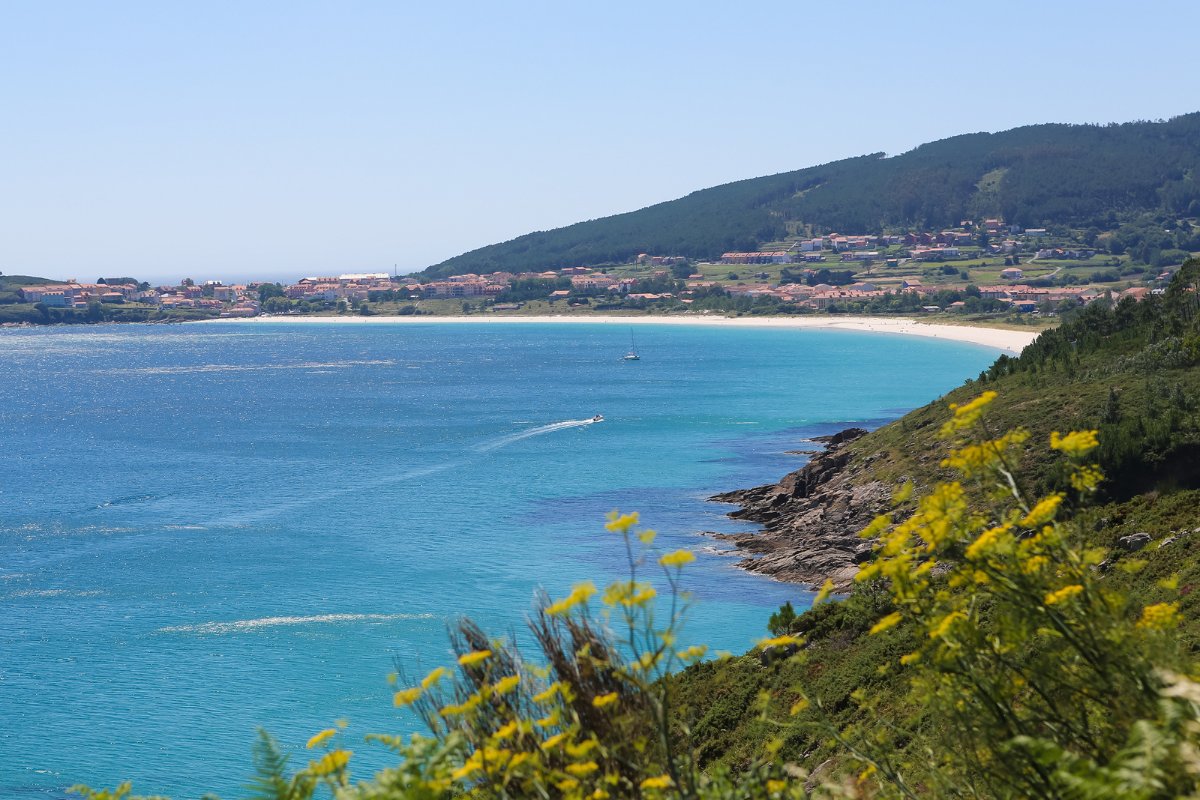
Starting point is Vigo – a dynamic port city with a well-equipped marina right in the city centre. From here you sail towards the Cíes Islands – an archipelago of three islands that shelter the Vigo inlet from the Atlantic. The islands are part of the Atlantic Islands National Park, meaning visitor numbers are strictly controlled. Playa de Rodas is a white sand beach with water clarity that is difficult to match anywhere in Europe.
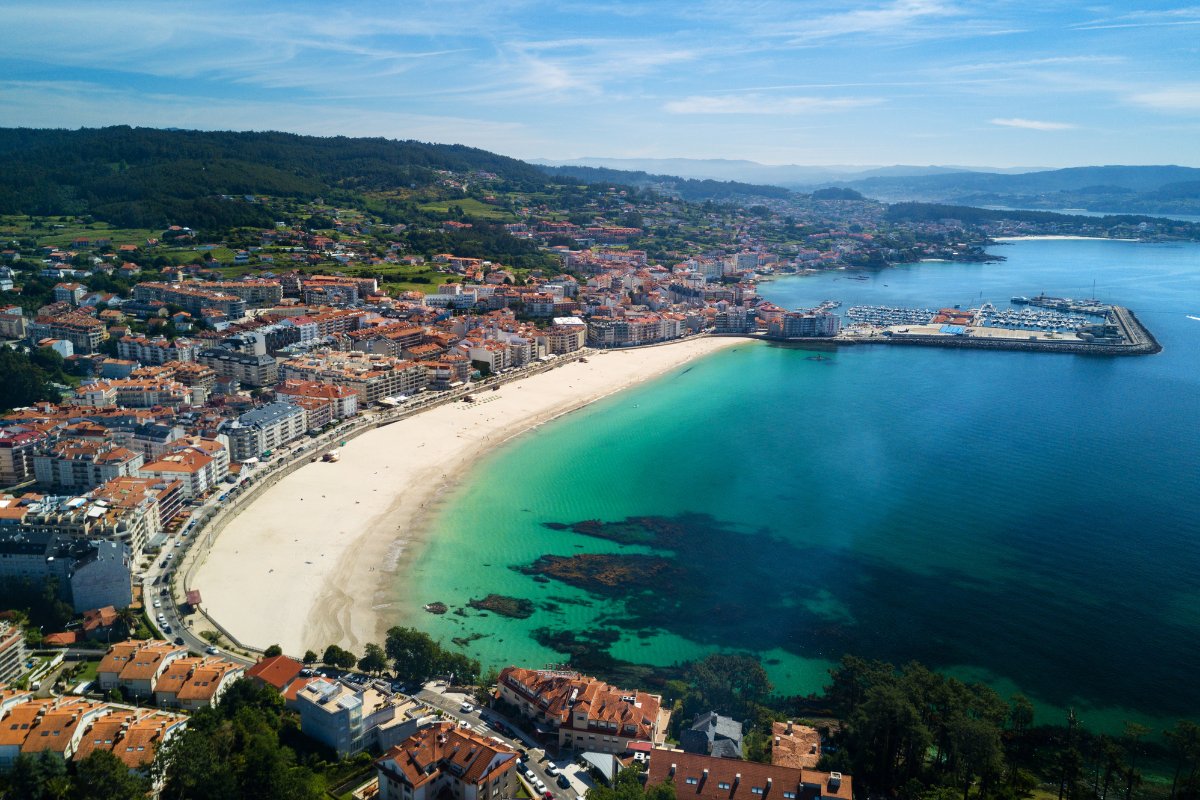
The route ends in Baiona – a historic town with a charming yacht harbour and restaurants right on the waterfront.
Passages: short (~1 hour each) · Experience level: ★★☆☆☆
 to Google Maps
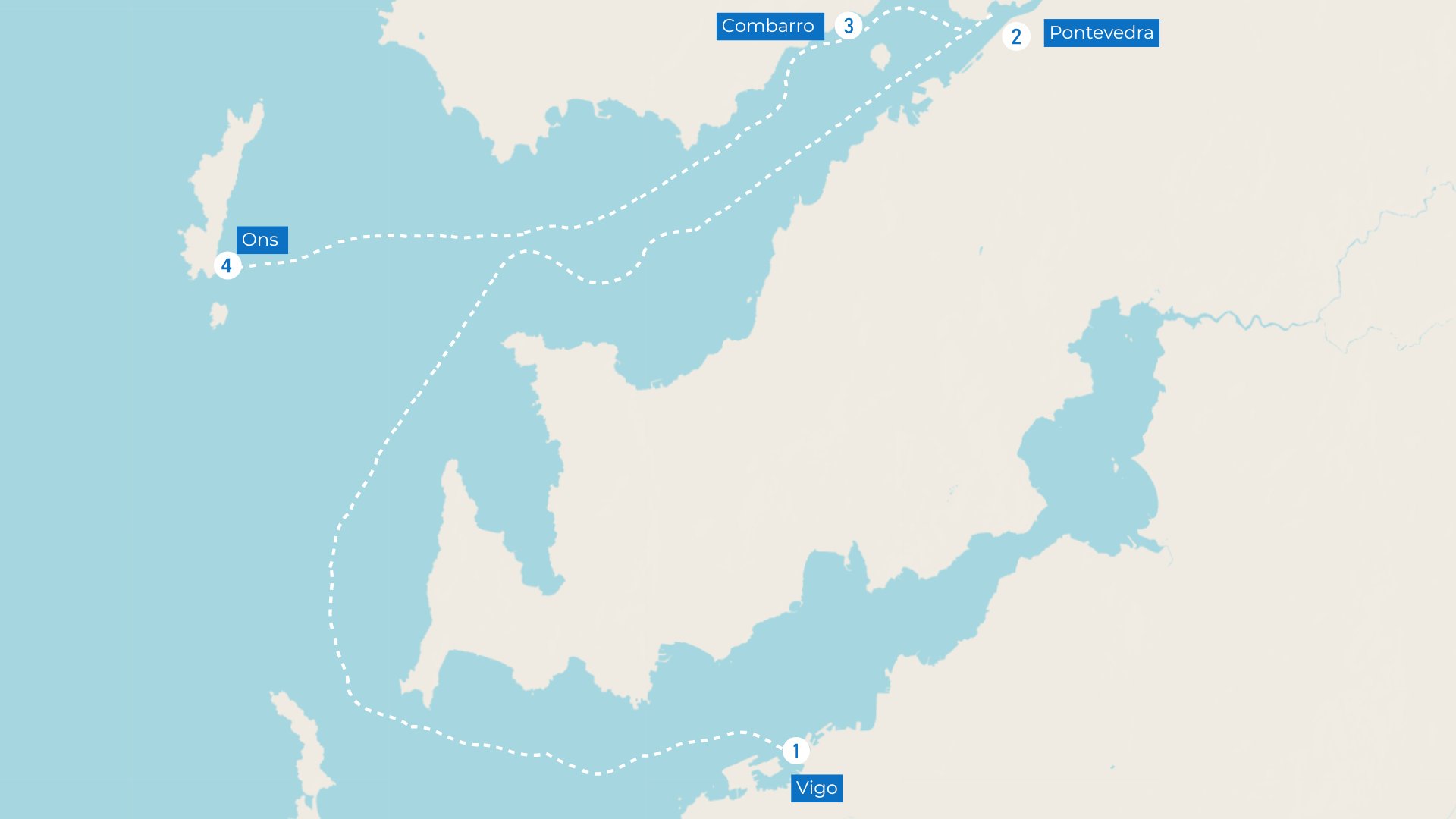
Route 2 · Vigo – Pontevedra – Ons Island – Combarro
Culture, gastronomy and authentic Galician character
This route is for those who want more than beautiful anchorages – who care about culture, food and the real stories behind fishing villages.
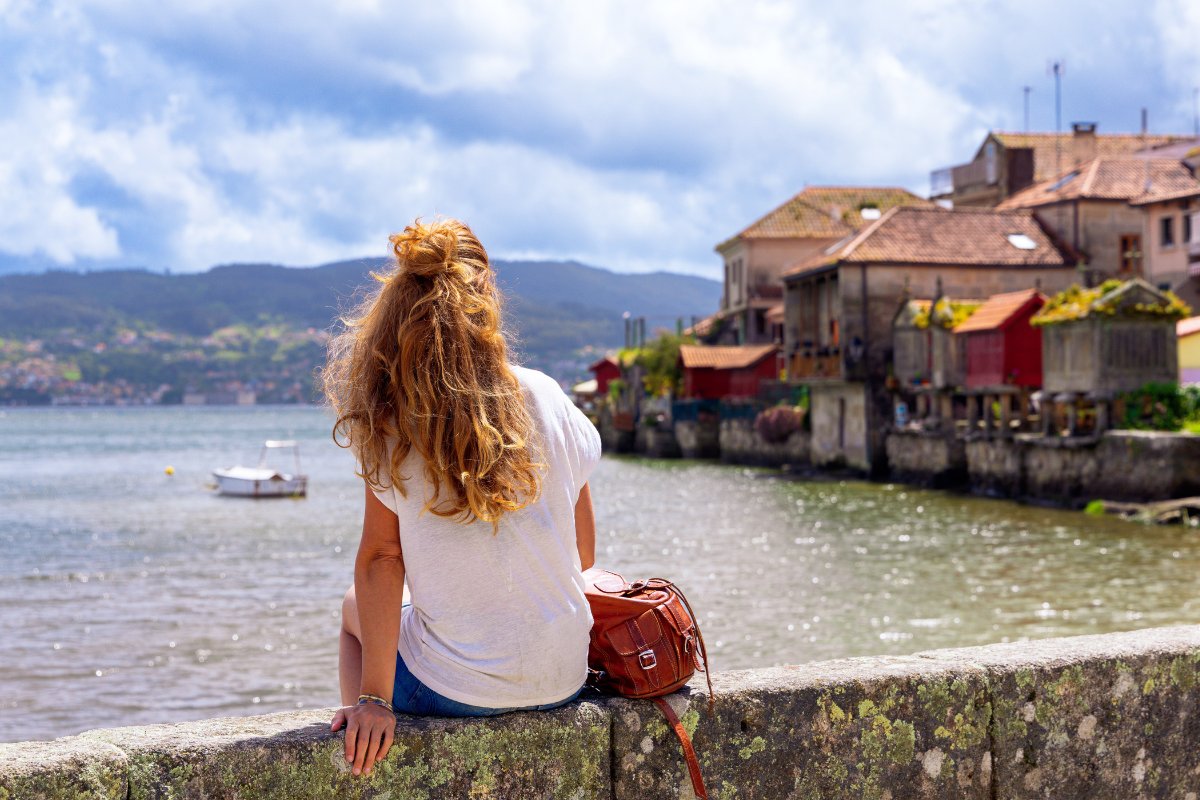
Ons Island is part of the National Park – granite cliff caves, crystal-clear inlets and the freshest seafood in the region. The highlight of the route is Combarro – a village whose traditional fishermen's houses and stone granaries (hórreos) stand directly on the water's edge, making it one of the most photographed scenes in all of Galicia.
Passages: moderate (1–3 hours) · Experience level: ★★☆☆☆
 to Google Maps
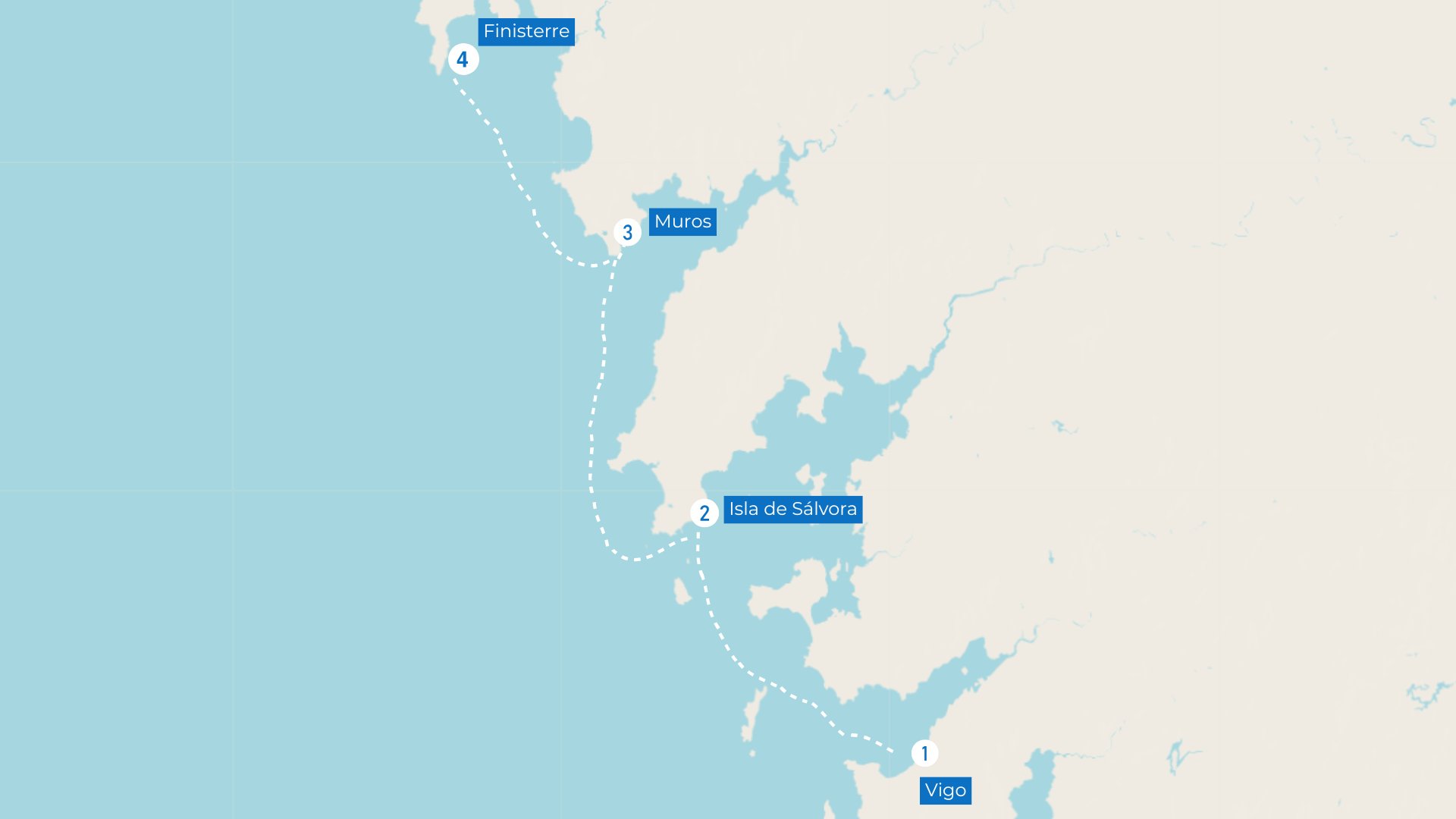
Route 3 · Arousa – Muros – Finisterre
Wild Atlantic character and the quietest corners of Galicia
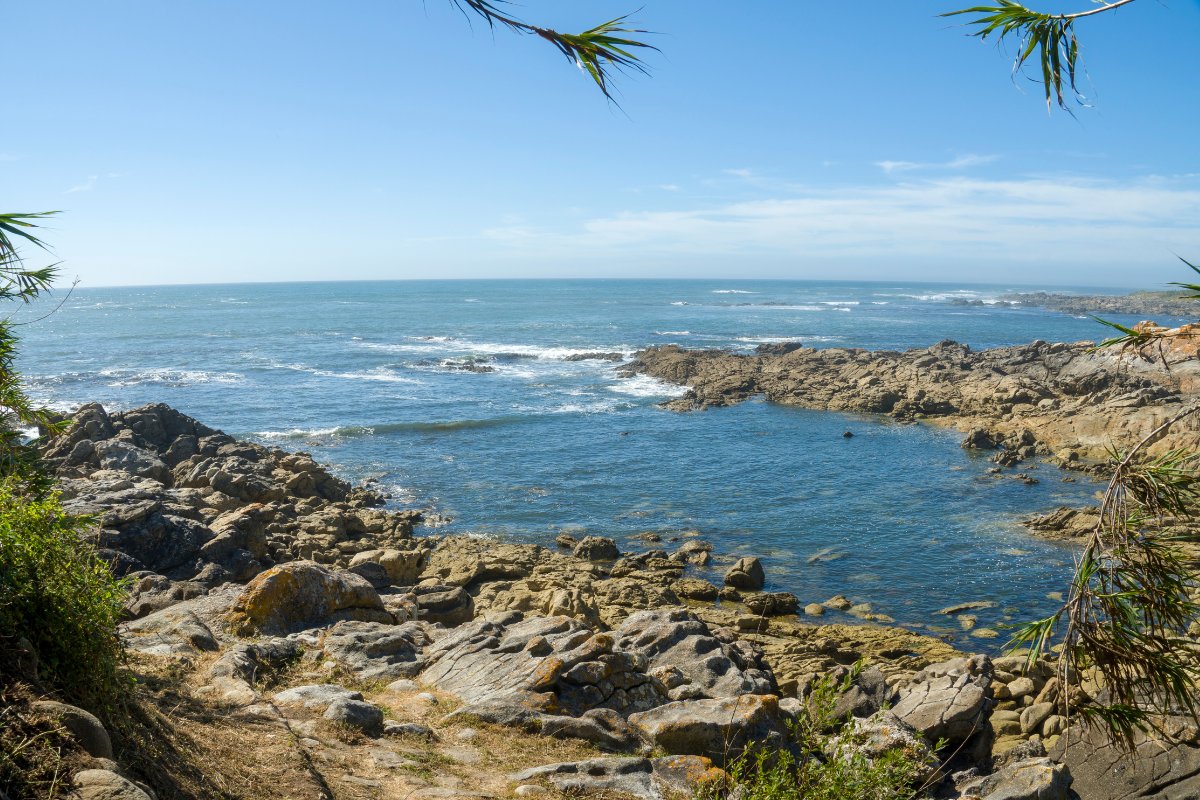
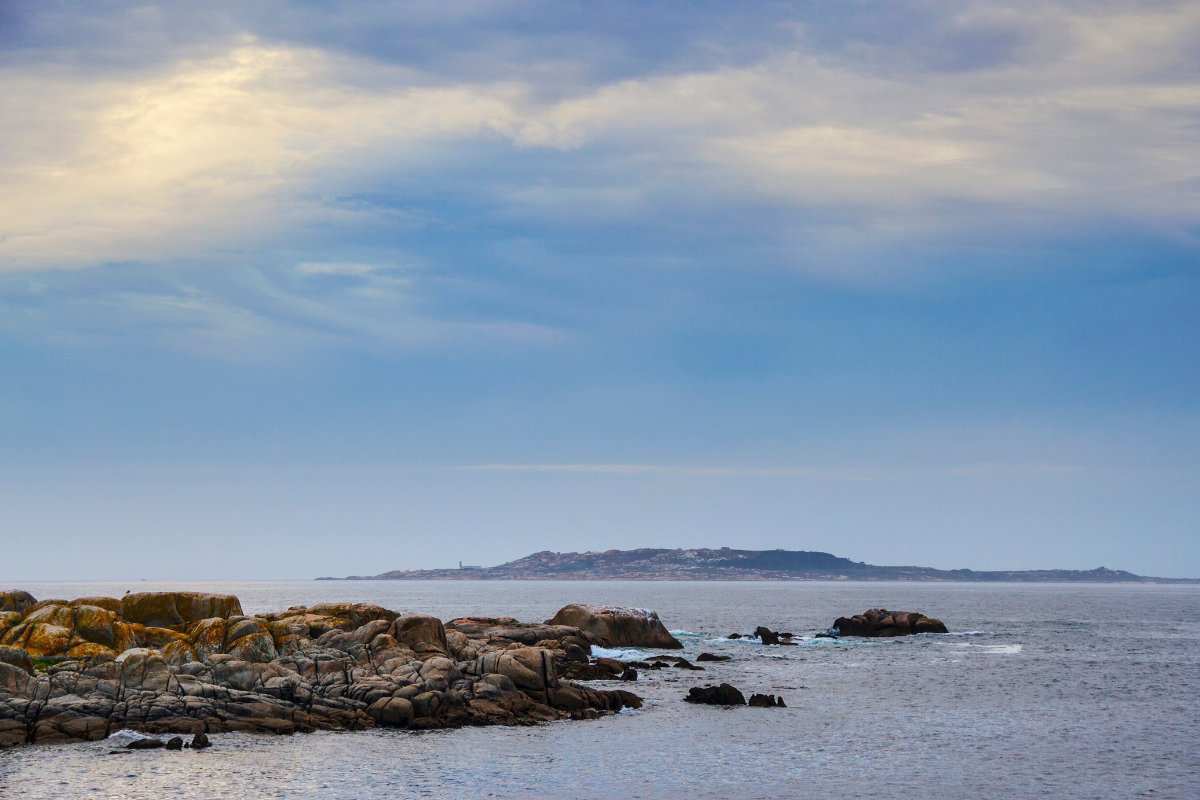
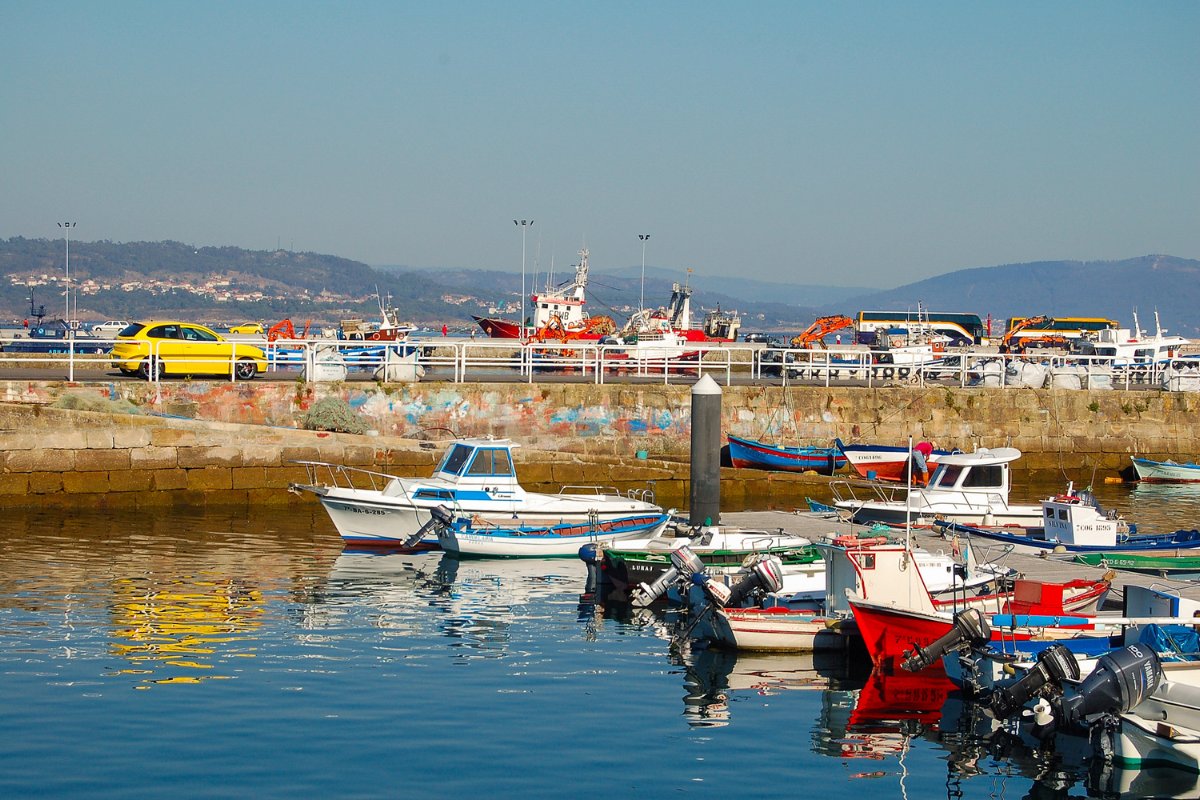
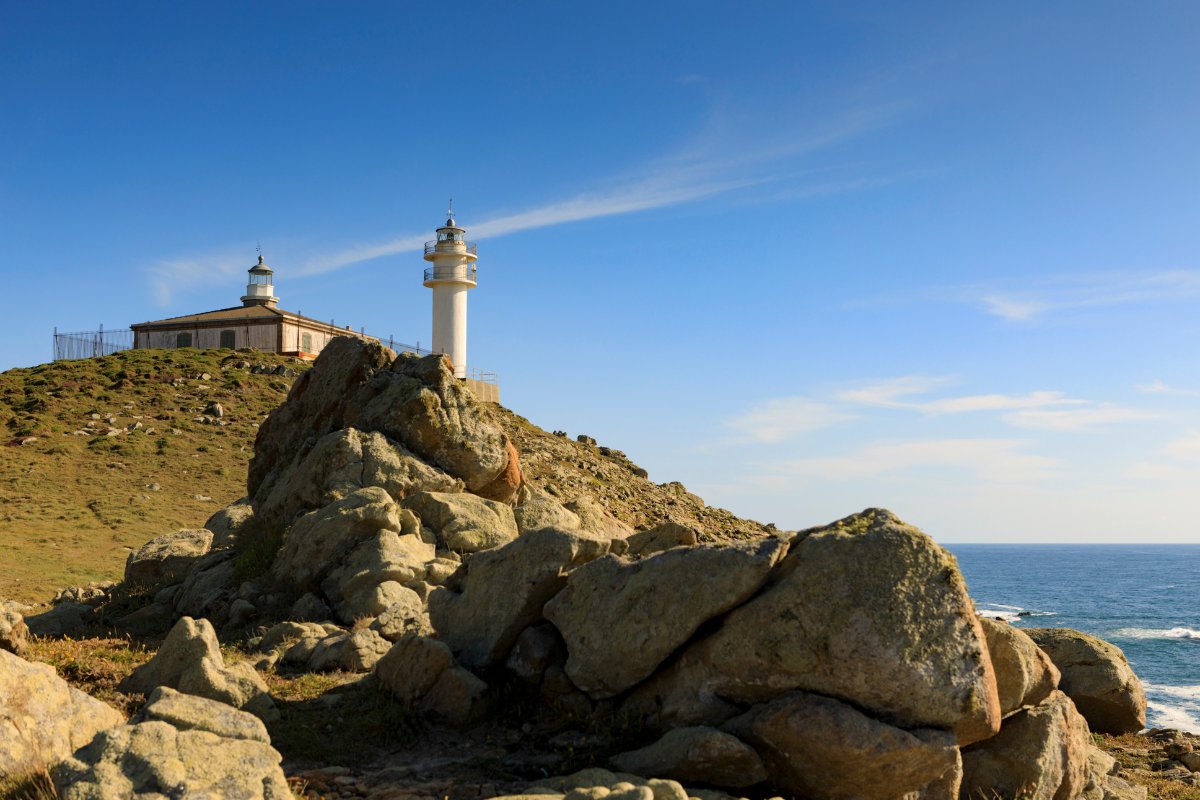
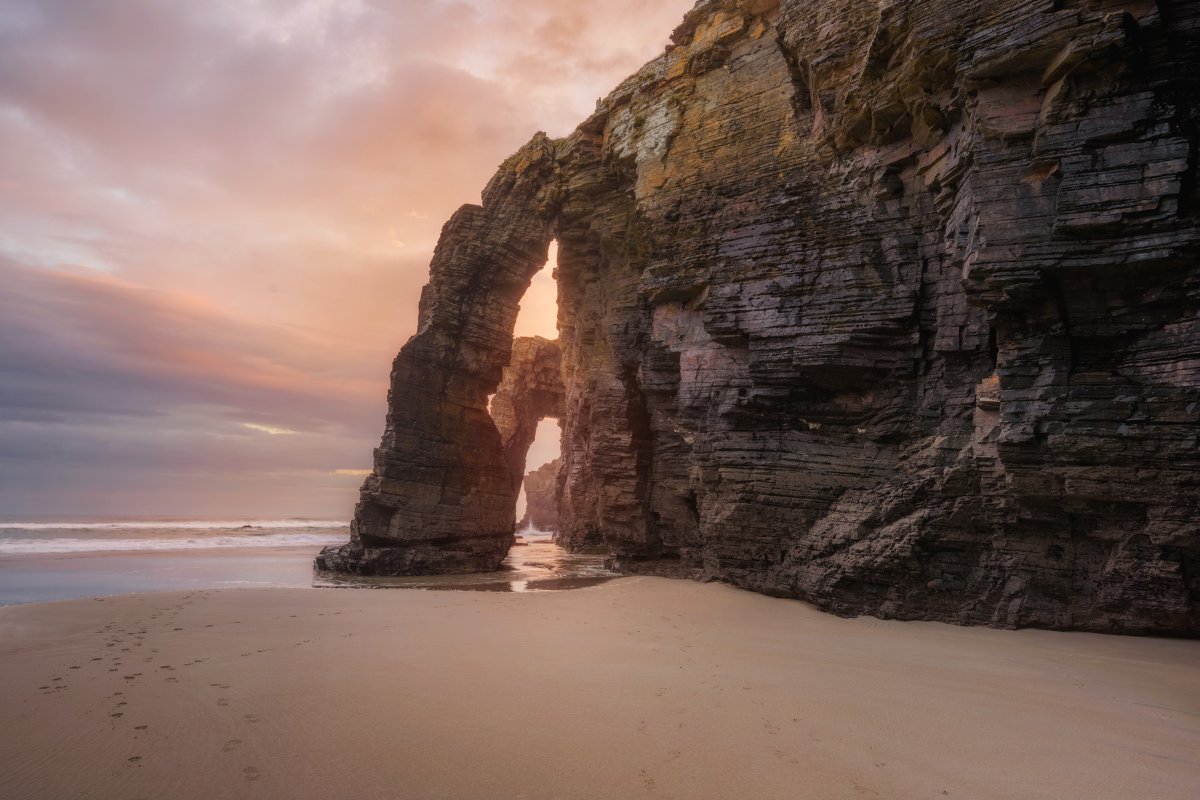
Arousa is Galicia's largest inlet, filled with islands and some of the clearest water in the region. Isla de Sálvora belongs to the National Park and remains one of the least visited islands on the coast. The Muros inlet is the wildest and least populated stretch of the Rías Baixas, and Finisterre is the route's culmination – the place the Romans called the End of the World, where the Atlantic opens up in its full width.
Passages: longer (3–5 hours), open water approaching Finisterre · Experience level: ★★★☆☆
 to Google Maps
Route 4 · The Sea Pilgrims' Route – Vigo to Santiago de Compostela
A journey with meaning along the ancient maritime pilgrimage route
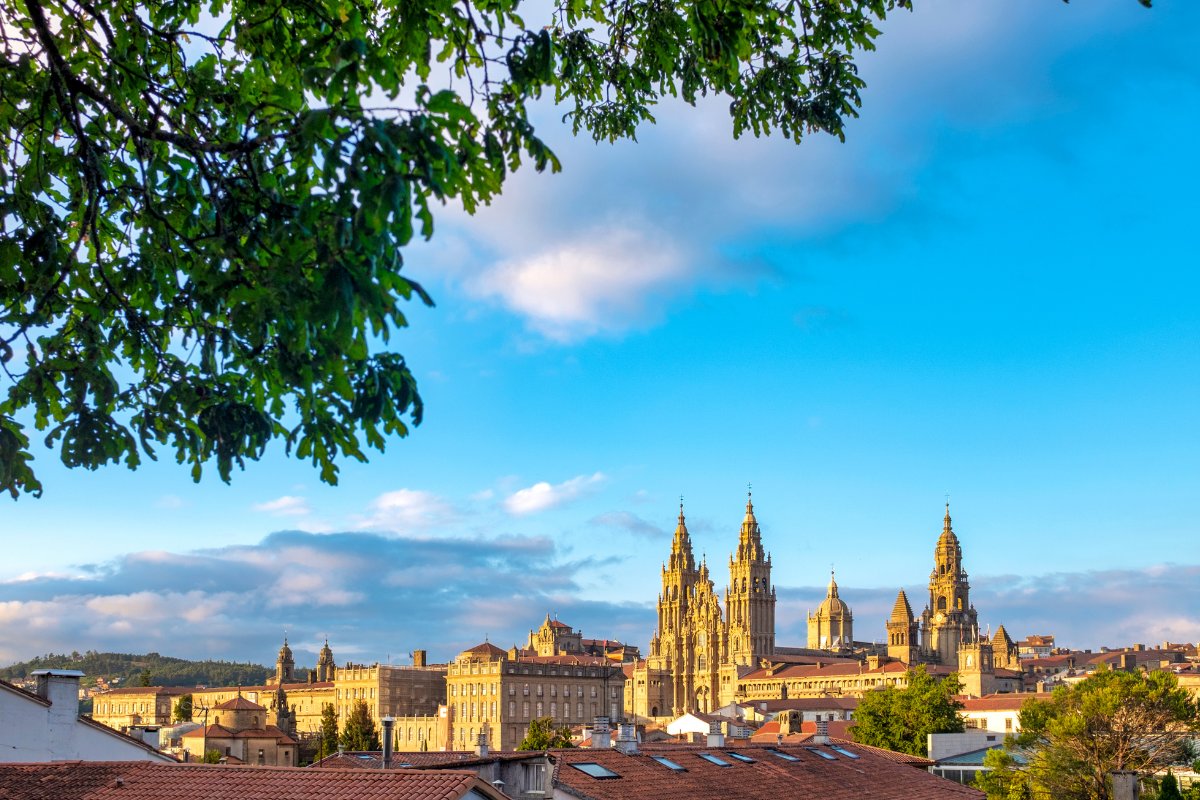
This is more than a sailing trip – it is a journey with history. The ancient sea pilgrimage route along which ships from across Europe once carried pilgrims to Santiago de Compostela.
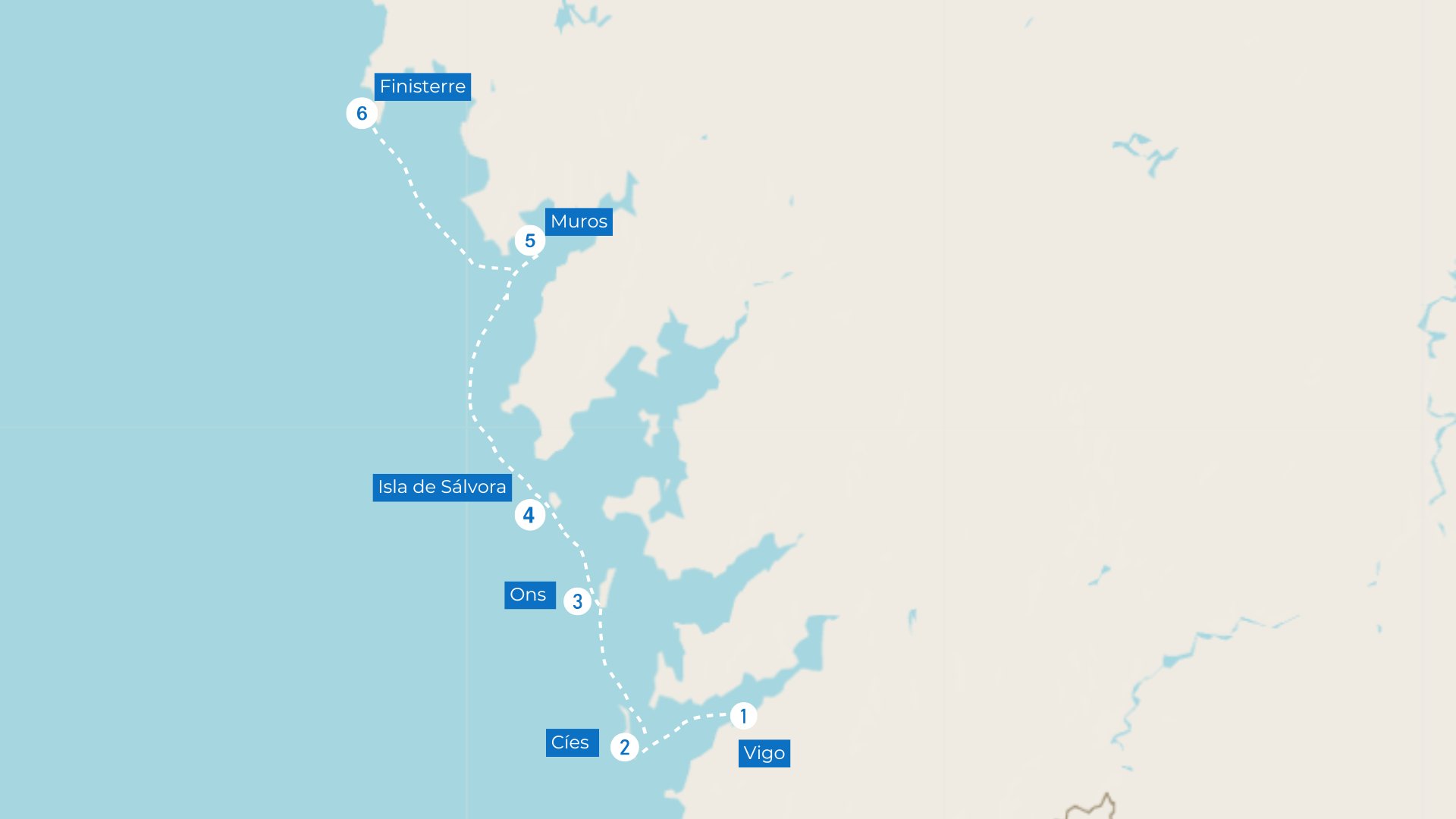
The route connects all four inlets – from Vigo through the waters of Pontevedra and Arousa to the wild Muros coastline, until you reach Finisterre – the legendary End of the World, where Europe ends and the Atlantic begins. Arriving by sea gives you a completely different, deeper connection to this place than any flight or bus ever could.
Distance: 55 nautical miles · Recommended duration: 7–10 days · Experience level: ★★★★☆
 to Google Maps
What Type of Boat Is Right for Galicia?
Galicia offers several boat types to choose from – the right one depends on your group size and what you want from sailing on the Atlantic.
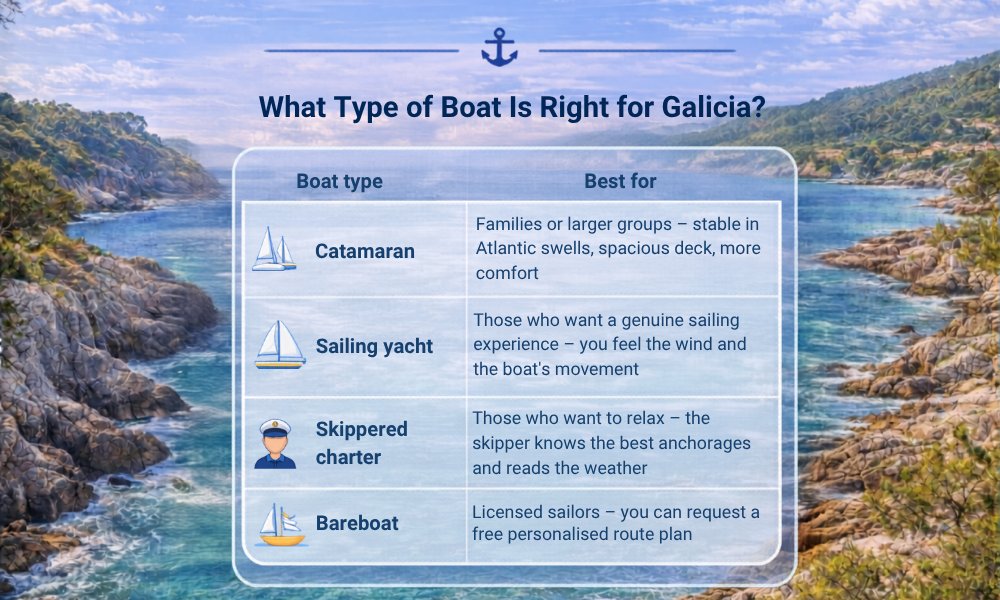
One important note: Galicia is the Atlantic, not the Mediterranean. Swells and weather conditions can be more dynamic than you might be used to. For first-time sailors or those less confident at sea, a skippered charter is strongly recommended – it makes the experience more comfortable and lets you focus on enjoying the journey.
What to Know Before Sailing in Galicia
Galicia is not your typical Mediterranean destination. A few things worth knowing before you go.
Weather changes quickly. On the Atlantic coast, checking forecasts is not a formality – it is part of navigation. Build flexibility into your itinerary and don't rush between stops.
The Cíes Islands require a permit. The islands are part of a National Park and anchoring requires advance permission. Plan this stop early – especially if you are travelling in July or August when demand is highest.
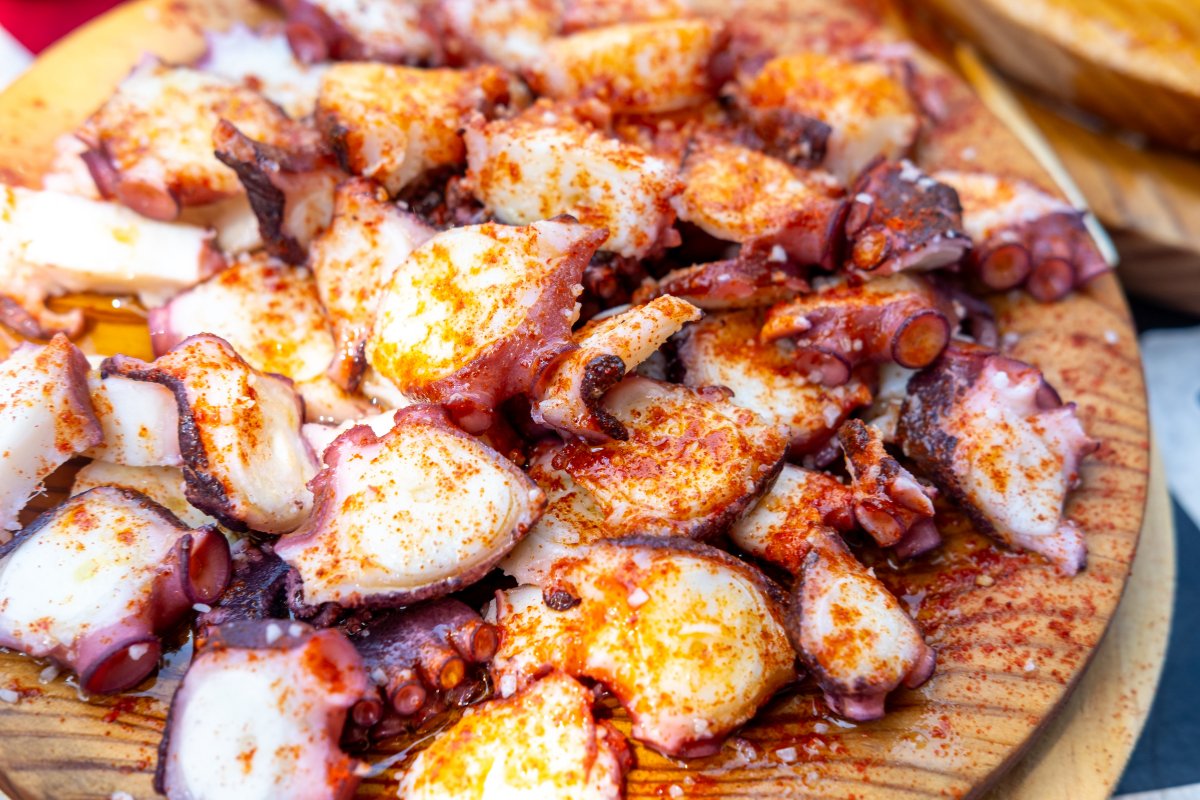
Galician food is part of the experience. Fresh mussels, seafood and local albariño wine are not just a bonus – they are a genuine part of what makes Galicia memorable. Every harbour has restaurants right on the waterfront.
Vigo is a convenient home base. The city has an international airport, a well-equipped marina and everything you need before setting off. You can fly in and set sail the same day.
Language. Spanish and Galician are spoken throughout the region. English is generally understood in marinas and harbours, but a few basic Spanish phrases will always be appreciated.
Interested in sailing in Galicia?
We help you find the right boat for your group, experience level and preferred route – skippered or bareboat.
→ Send an enquiryYou might also find these useful:
Greece vs Croatia: which is better for sailing?